

The construction business is encountering an amazing transformation. With world wide infrastructure paying hitting $2.6 billion annually, the backbone promoting these enormous jobs has be much more important than ever. Sophisticated scaffolding infrastructure bridges (byggnadsställningar infrastruktur broar) systems are no further only short-term structures—they're strategic resources that will produce or break task timelines and budgets.
Recent market information shows that infrastructure projects applying modern scaffolding alternatives total 40% quicker than those relying on traditional methods. That dramatic improvement stems from enhanced accessibility, streamlined protection methods, and improved workflow administration that today's scaffolding technologies deliver.
Market Trends Reshaping Scaffolding Demand
Infrastructure maintenance dominates scaffolding programs, representing 60% of complete industry usage. That shift reflects a crucial fact: aging infrastructure across developed countries requires intensive reconstruction work. Connections constructed during the making growth of the 1960s and 1970s now demand detailed preservation programs to remain secure and functional.
The rental scaffolding industry has surged, growing 8.2% annually as construction organizations prioritize operational mobility around capital investment. Little to moderate technicians gain considerably from hire types, accessing cutting-edge protection technologies without substantial upfront costs.
Digital integration is revolutionizing scaffolding operations. Projects adding electronic preparing resources record 25% fewer protection incidents and obtain 30% faster startup occasions in comparison to standard planning approaches. This technological development allows task managers to imagine complex installations before crews appear on-site.
Safety Statistics Drive Innovation
Office security stays the primary catalyst for scaffolding innovation. Fall-related situations account for 33% of most structure fatalities, making reliable scaffolding programs required for guarding employees functioning at height.
Modern scaffolding systems have accomplished a 45% decrease in drop situations compared to fundamental alternatives. That improvement effects from advanced guardrail methods, improved program balance, and better integration with particular protective equipment. Insurance organizations identify these protection improvements, offering 20% decrease premiums for tasks applying qualified scaffolding systems.
Infrastructure Categories Driving Growth
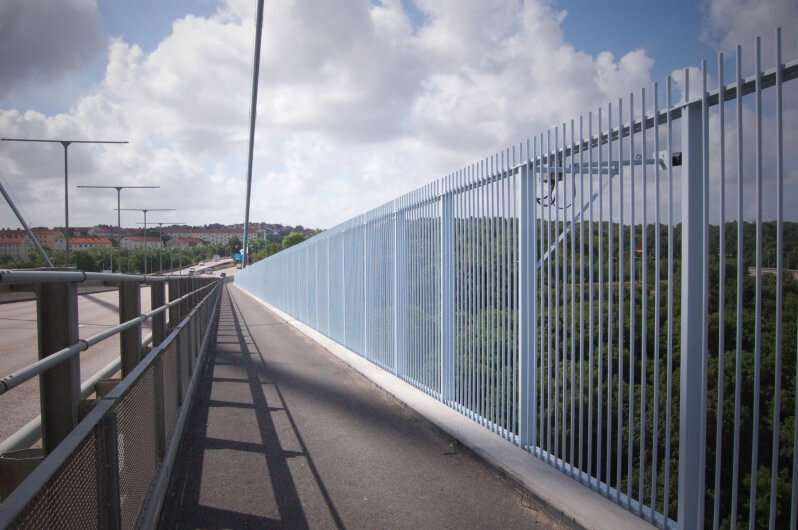
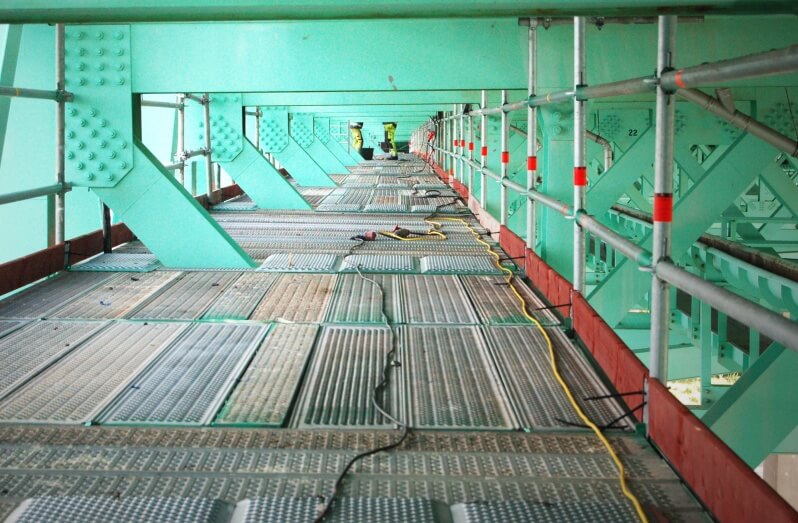
Bridge maintenance jobs consume 35% of scaffolding resources, showing the critical need to steadfastly keep up transportation infrastructure while minimizing traffic disruption. Particular connection accessibility programs enable preservation crews to function safely while maintaining roadways functional all through repairs.
High-rise building maintenance presents 28% of scaffolding applications. Urban density raises push demand for scaffolding answers that function successfully in restricted spots while sustaining rigid security standards. These methods must steer complicated metropolitan environments while providing secure access to building exteriors.
Industrial ability preservation requires 22% of scaffolding capacity, supporting petrochemical plants, power technology services, and manufacturing operations wherever downtime expenses tens of thousands of dollars per hour. These purposes need specialized scaffolding that may resist hard professional situations while providing safe access to important equipment.
Economic Impact on Project Outcomes
Tasks employing reliable scaffolding options report 15% lower overall expenses despite larger original equipment expenses. These savings appear from paid down work requirements, less safety-related delays, and accelerated completion schedules that reduce overhead costs.
Weather-resistant scaffolding programs extend working times by around six months annually in upper climates. That extension offers significant financial benefits for technicians controlling periodic construction schedules, enabling productive function during historically difficult weather conditions.
Future Infrastructure Investment Landscape
Government infrastructure legislation totaling $1.2 billion around the next decade will support strong need for scaffolding solutions. That substantial expense focuses generally on maintenance and modernization of active infrastructure as opposed to new construction, creating consistent need for access solutions.
Sustainable scaffolding materials are getting momentum, with 18% of major tasks now specifying green options. That trend aligns with broader construction market sustainability initiatives and increasingly stringent government environmental requirements.
The scaffolding market remains establishing to generally meet growing infrastructure demands while prioritizing staff safety and challenge efficiency. Construction firms that invest in reliable scaffolding partnerships position themselves strategically for the infrastructure possibilities ahead, ensuring they can provide projects properly, effortlessly, and profitably in a increasingly competitive market.